Unlocking your potential with private coaching
Dancers are constantly striving to elevate their training — refining technique, developing artistry, and working toward new goals. While group classes play an essential role in learning choreography, building teamwork, and fostering a sense of community, private coaching lessons offer a personalised opportunity for growth. In this blog, we’ll explore why investing in one-on-one coaching can be a powerful tool for dancers looking to progress with greater clarity, efficiency, and confidence.
At present, there is limited research specifically examining private coaching in dance. Only a small body of empirical research exists on one-on-one coaching across related fields such as sport, tutoring, and personal training. This is largely due to the challenge researchers face in defining and measuring what “benefit” looks like in individualised learning. As a result, this blog draws on findings from these adjacent fields, alongside real-world student experiences, to explore the value and impact of private coaching for dancers.
Personalised Attention
In group classes, teachers are required to focus on the needs of the whole class. Feedback is often generalised, and time constraints can limit how deeply individual concerns are addressed. Private coaching, on the other hand, allows for dedicated one-on-one attention, where a coach can identify a dancer’s specific strengths and areas for improvement and tailor training accordingly.
When speaking with some of our NDC dancers, a common theme emerged: they value how individualised corrections are in private lessons, and how much easier it is to understand those corrections within their own body. Take hamstring flexibility, for example. While it may appear to be a single issue, dancers experience limitations in very different ways. Some are restricted through the backs of the legs, others through the glutes or lower back. Some experience tightness in multiple areas, while others feel a strong neural or “nervy” sensation running from the feet up through the spine.
In a private coaching setting, a coach can identify the specific source of restriction and respond with targeted exercises and cues that address the dancer’s individual needs. This is far more effective than applying a single stretch or approach to an entire group, where dancers are often left to work through limitations without truly understanding them.
Faster Progress
The focused nature of private coaching often allows for faster, more targeted progress. A study by Jheng (2015), conducted in Taiwan, found that many students reported progressing more quickly in tutoring lessons compared to formal classroom settings. In this study, tutoring sessions were delivered in small groups of 7–10 students, while formal classrooms typically consisted of around 20 students. Participants frequently attributed their accelerated progress to the more focused, intentional learning environment.
While this research isn’t dance-specific, the same principles are highly applicable. In my own teaching, I consistently observe a clear difference between students who take private lessons alongside group classes and those who train exclusively in group settings. Private coaching doesn’t replace group training — it enhances it. These students are often able to apply corrections more efficiently, refine their technique more quickly, and gain confidence in their abilities.
This pattern hasn’t gone unnoticed. Parents and fellow teachers often report seeing the most significant improvements after just one term of consistent private coaching, particularly when lessons are used to support group classwork.
Customised Training Plans
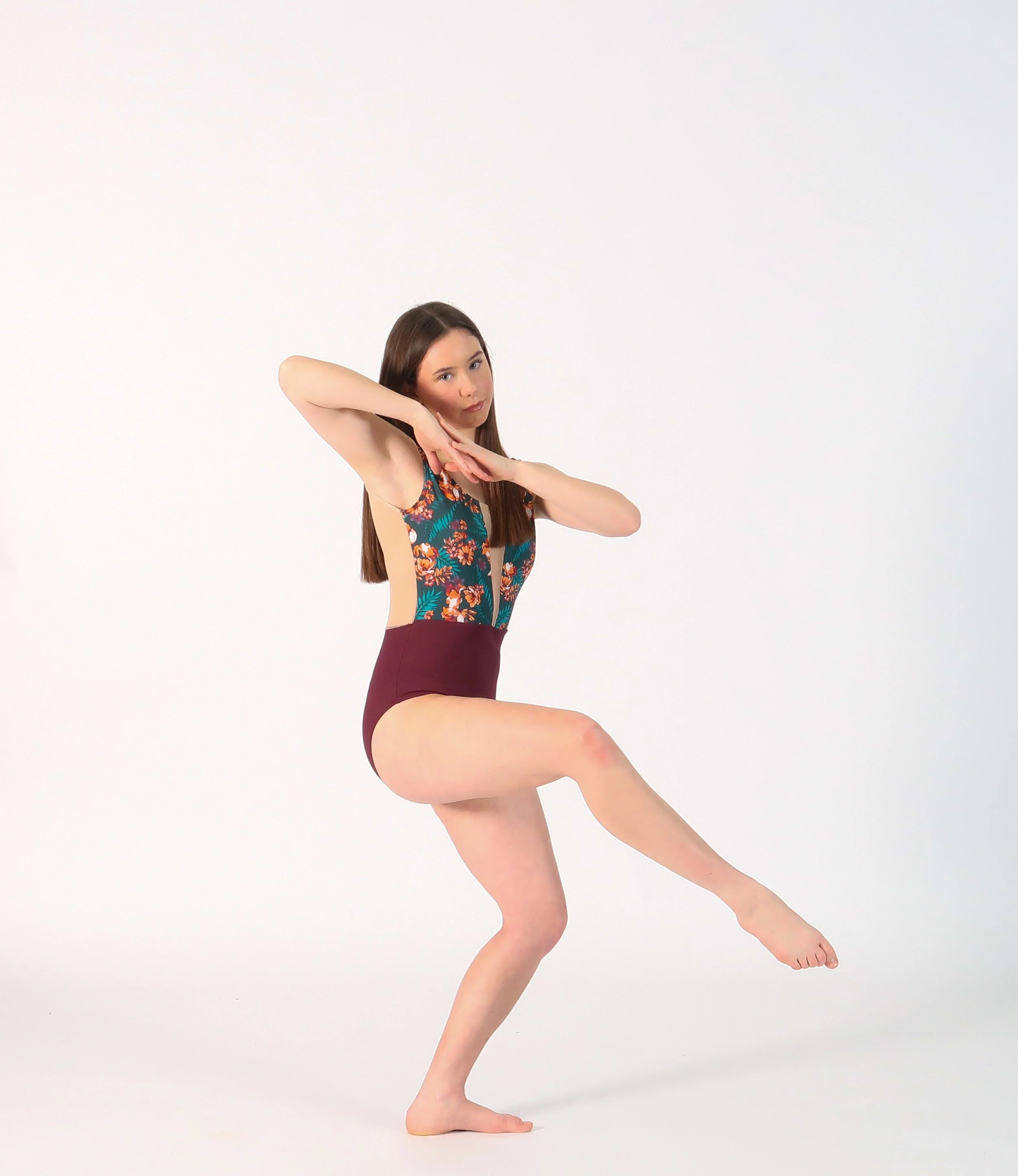
Grace, NDCoaching
Every dancer has their own strengths and challenges. In one-on-one lessons, coaches can design training plans that are specific to the individual, addressing areas such as strength, refined technique, artistry, flexibility, and even performance anxiety, to name just a few.
When speaking with our NDC dancers, a common theme that emerged was how much they value this tailored approach. For example, I work with several dancers who have noticeable leg length differences. For these dancers, movements that may appear simple can be surprisingly challenging. They often need to work harder in certain areas and focus on different muscular engagement to achieve a smooth, effortless look while remaining technically correct.
In a group class, it can be difficult to consistently identify dancers who require these kinds of specific adjustments, let alone provide the time and feedback needed to address them. In a private coaching setting, however, these nuances become much clearer, allowing the coach to correct and support the dancer based on their unique needs.
For instance, when teaching tendus in a group class, I will cover the general technique and expectations that apply across the board. In a private lesson, particularly for dancers with uneven leg length, I shift the focus beyond the feet to include the legs, hips, and core. This helps the dancer become aware of how the movement feels different on each side. From there, we work together to refine the technique so the step remains correct, but functions optimally within their body.
Injury Prevention and Recovery
One of the greatest benefits of private coaching is the ability to identify and correct habits that may lead to injury, as well as support safe recovery when injuries do occur. This process is far more effective in a one-on-one setting, where movement patterns can be observed closely and addressed with precision.
Research supports this approach. A study on soccer players compared a group-based injury prevention program with a one-on-one program that included individual injury risk analysis and targeted conditioning exercises (Schwartzkopf-Phifer et al., 2019). After four weeks, the athletes who participated in one-on-one coaching showed greater reductions in injury risk and improvements in strength than those in the group setting. The researchers suggested this was due to the individualised focus and feedback possible in private sessions.
This kind of personalised guidance is especially valuable for dancers returning from injury. No two injuries are the same, and recovery should never be treated as one-size-fits-all. One-on-one coaching allows training to be adapted to the dancer’s specific injury, limitations, and stage of recovery.
Access to individualised support during injury can also play a significant role in maintaining motivation and connection. Many injured dancers experience a sense of isolation — they may be unable to fully participate in class, unsure how to modify exercises, or feel disconnected from their peers and teachers. When dancers feel removed from the studio environment altogether, recovery can feel longer, lonelier, and more discouraging.
From my own experience as a dancer, I know how challenging injury rehabilitation can be when support systems are limited. Being separated from regular classes, working largely alone, and feeling uncertain about how to progress safely can take a serious toll — not just physically, but mentally as well. In those moments, having consistent guidance, feeling seen, and knowing that teachers are still invested in your journey in an encouraging, supportive way rather than a scolding one makes a profound difference.
There is also a practical risk when injured dancers are left without adequate supervision for extended periods: exercises may be performed incorrectly, compensations can develop, and poor habits may form, increasing the risk of repeat injuries. Regular check-ins, technique guidance, and encouragement can help prevent this and remind dancers that they are still progressing, even if that progress looks different for a short time.
Private coaching provides space to monitor recovery carefully, adjust training safely, and support dancers beyond just the physical aspects of recovery. Checking in on injured students, celebrating small wins, and staying engaged in their journey can help ensure a safer, more successful return to training — and remind dancers that they are not forgotten.
Confidence Boost
With consistent support and targeted feedback, private coaching plays a powerful role in building confidence. One-on-one lessons help dancers feel more prepared for competitions, auditions, performances, injury rehabilitation, and other challenges that arise throughout their training. Over time, this focused work builds a strong technical foundation, which often translates into greater confidence in group classes as well.
Private coaching also helps dancers develop trust in themselves. Through personalised guidance and repetition, dancers gain a clearer understanding of their own abilities, learn how to self-correct, and feel more secure in their technique and performance skills.
In group classes, it can be easy to hide — to stand behind the front line, let a turn fall out, or jump a little lower without anyone noticing. In private coaching, there is nowhere to hide. Instead, there is space to be seen, supported, and challenged. This environment encourages dancers to push past self-doubt and discover what they are truly capable of — whether that’s committing to a triple turn, finding more elevation in a grand jeté, or refining technique with confidence and intention.
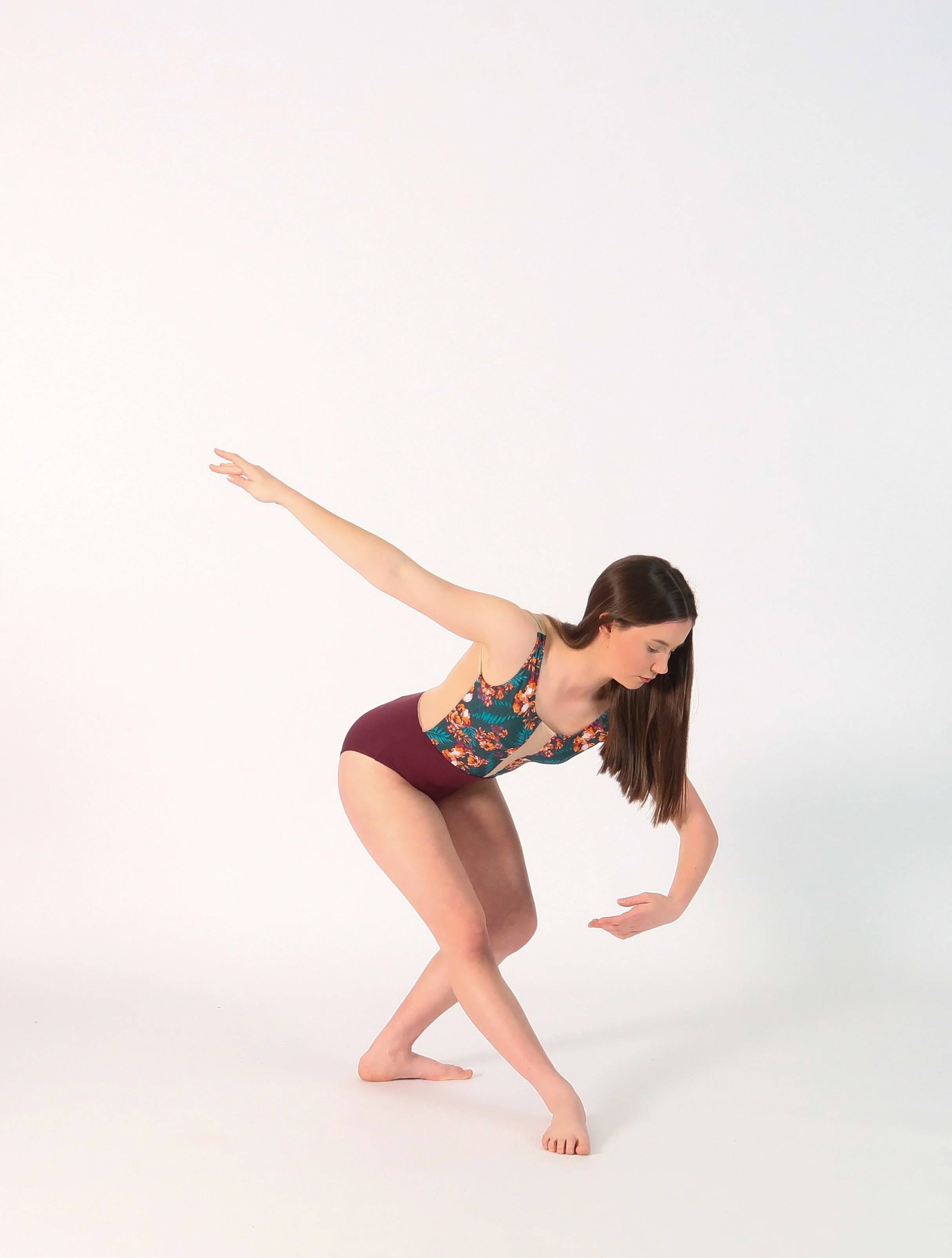
Grace, NDCoaching
Concluding Thoughts
Private coaching lessons provide dancers with the opportunity to refine their technique, accelerate learning, build confidence, and ultimately elevate their dance journey. Whether you’re looking to take your training more seriously, work through a technical plateau, or feel more prepared for performances and auditions, one-on-one coaching can be a powerful next step.
Private coaching can also be especially valuable during periods of injury or reduced training. If you’re missing time in the studio or struggling with motivation, individual lessons can help keep you connected to your goals while supporting rehabilitation through exercises and feedback tailored specifically to your needs.
It’s important to note that private coaching is not a replacement for group classes. Group training offers essential experiences that cannot be replicated one-on-one, such as teamwork, spatial awareness, learning group choreography, musicality, and timing, and the shared energy of a class environment. Consistent attendance in group classes remains the foundation of a dancer’s development.
Instead, private coaching works best as a complement to regular training — enhancing what you learn in class, addressing individual needs, and supporting long-term growth. When used intentionally, it can help dancers train smarter, move more confidently, and progress with greater clarity and purpose.
So, if you’re ready to elevate your training, achieve your goals, gain more confidence, and meet your full potential - contact us today to book a trial lesson.
-
Jheng, Y. J. (2015). The influence of private tutoring on middle-class students’ use of in-class time on schools in formal schools in Taiwan. International Journal of Educational Development, 40, 1-8. Https://doi.org/10.1016/j.ijedudev.2014.11.019
Schwartzkopf-Phifer, K., English, R. A., Mattacola, C. G., Dressler, E. V., & Kiesel, K. B. (2019). The effect of one-on-one intervention in athletes with multiple risk factors for injury. International Journal of Sports Physical Therapy, 14(3), 384-402. Https://doi.org/10.26603/ijspt20190384