Resting With Intention: Supporting Your Body, Mind, and Training
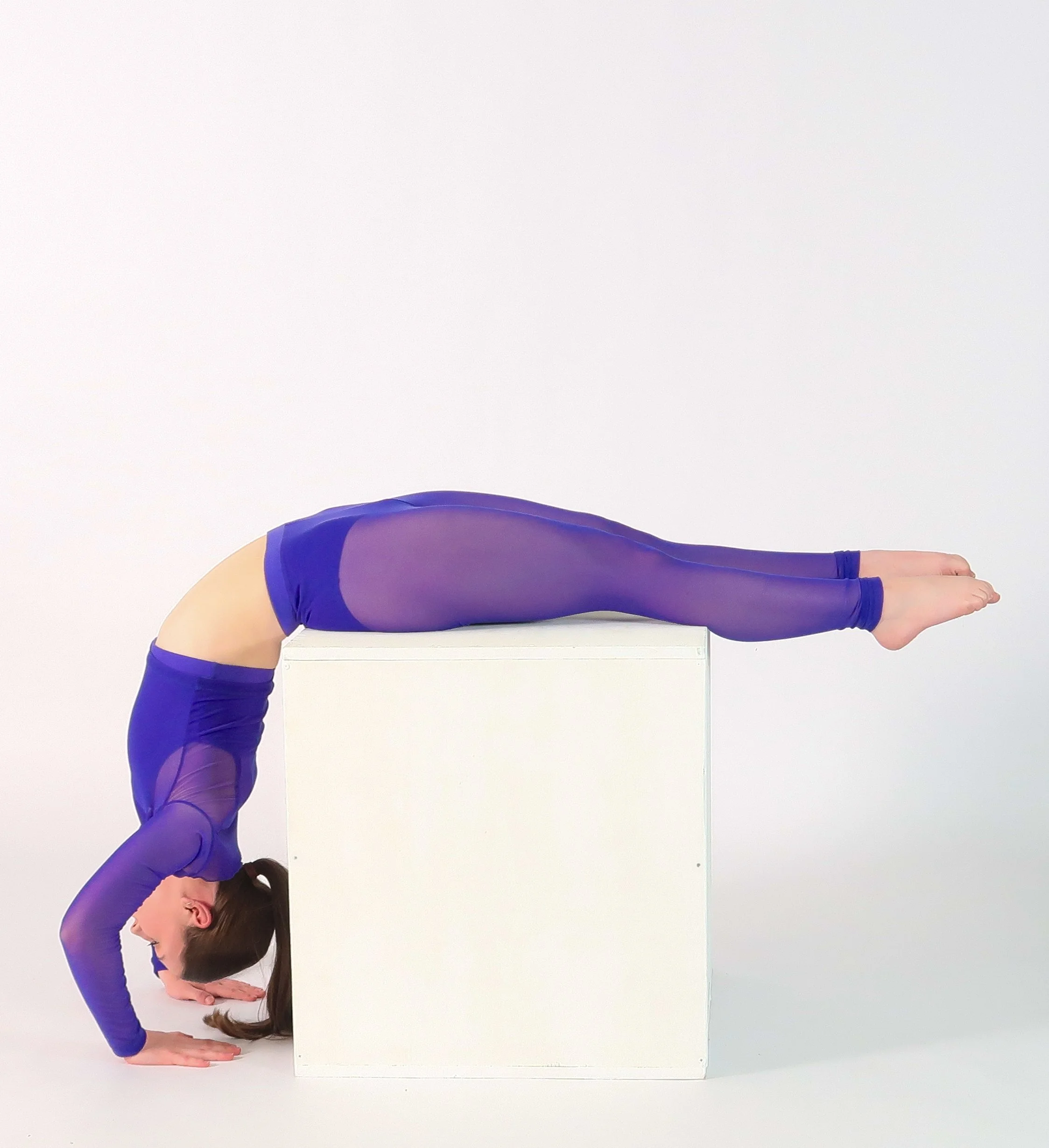
Amelia, NDC STEP Up 2025
Do you often feel guilty when taking a break, or spend your holidays trying to stay busy out of fear of losing your progress? Do you find it hard to switch your mind off, with dance constantly circling in your thoughts?
As dancers, we’re often made to feel lazy or uncommitted when our bodies and minds are asking for rest. I remember teachers asking what our plans were to “stay fit” over the holidays, or telling us we had to enroll in multiple holiday programs. Growing up, I could see my dance studio from my kitchen window — so even when I wasn’t there physically, my mind never truly had the chance to switch off.
In many other sports, like hockey or soccer, athletes train and compete in defined seasons. Dancers, on the other hand, often train year-round, right up until Christmas. Because of this, learning how to rest becomes essential — not as something passive or guilt-filled, but as something intentional.
Intentional rest isn’t scrolling on your phone for hours and break periods shouldn’t be used to overwork yourself. Especially at this time of year, it’s important to give both the body and mind time to recover. Once we learn how to rest properly, we can begin to use rest as a recovery tool — not just during the holidays, but as part of our training throughout the year.
What Does Resting With Intention Mean?
Rest isn’t laziness — it’s a deliberate, active choice that supports both physical and mental health. While rest is often defined as activity coming to a stop, that doesn’t automatically mean our minds rest too. Many dancers spend their rest days still stressing about training, progress, or what they should be doing instead.
This is why I use the phrase resting with intention. It’s about actively choosing to rest both physically and mentally, rather than just stopping movement while the mind keeps racing. Intentional rest allows the nervous system to settle, supports recovery, and creates space away from constant performance pressure — something dancers often struggle to give themselves permission to do.
Passive Rest vs. Intentional Rest
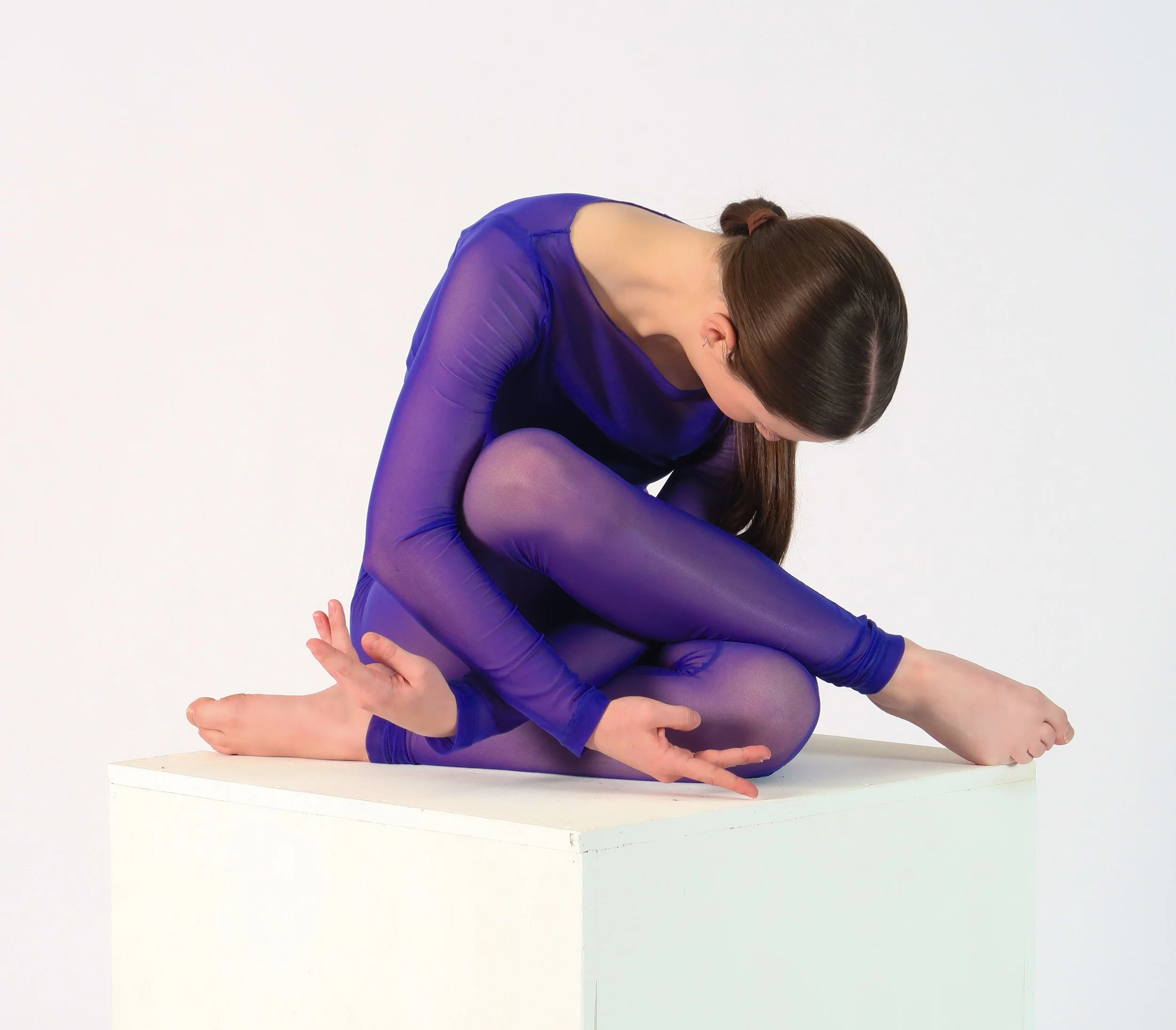
Passive rest has its place, but when it becomes our default, it often leaves us returning to training still feeling tired, unmotivated, and flat.
Passive rest usually happens when we’re completely exhausted, rather than when we’re actively listening to what our bodies and minds need. It often looks like endlessly scrolling on social media, binge-watching shows or YouTube without really enjoying them, irregular sleep patterns, or feeling restless and guilty. Mentally, it can show up as replaying class, corrections, comparisons, or worries — even while we’re “resting.”
While passive rest reduces physical effort, it doesn’t calm the nervous system. In many cases, it actually overstimulates the brain and reinforces feelings of guilt or pressure. Because it doesn’t meet our psychological needs, passive rest can reduce our sense of autonomy and purpose, ultimately impacting motivation and overall wellbeing.
Intentional rest, on the other hand, is a conscious choice. It involves awareness of what you’re actually tired from and choosing rest that supports recovery. Asking yourself simple questions like What do I need right now? or What kind of rest would genuinely help me recover? is the first step toward resting with intention.
Why Intentional Rest Is Important for Dancers
Rest is a vital part of recovery. Without adequate recovery, fatigue builds, progress and performance can plateau or decline, and irregular moods become more common. Over time, this can lead to burnout — and for some dancers, a loss of motivation or even leaving dance altogether.
Dancers spend much of their time in high-alert, performance-driven environments. There is constant feedback, self-monitoring, comparison, and pressure to improve. Because of this, simply stopping physical activity isn’t always enough. Even when the body is still, the mind often remains switched on — analysing, replaying, and worrying — which continues to drain energy.
This is why intentionally switching off both the body and the mind is essential. Intentional rest supports recovery, learning, emotional regulation, and long-term motivation.
A simple way to remember: passive rest happens to you, intentional rest happens for you.
What the Research Says
Research in cognitive science consistently shows that rest improves performance and learning, particularly when mastering complex motor skills, such as dance (Ericsson et al., 1993, as cited in Eccles & Kazmier, 2019). Rest is also essential for memory consolidation, helping dancers retain and maintain technically demanding skills over time.
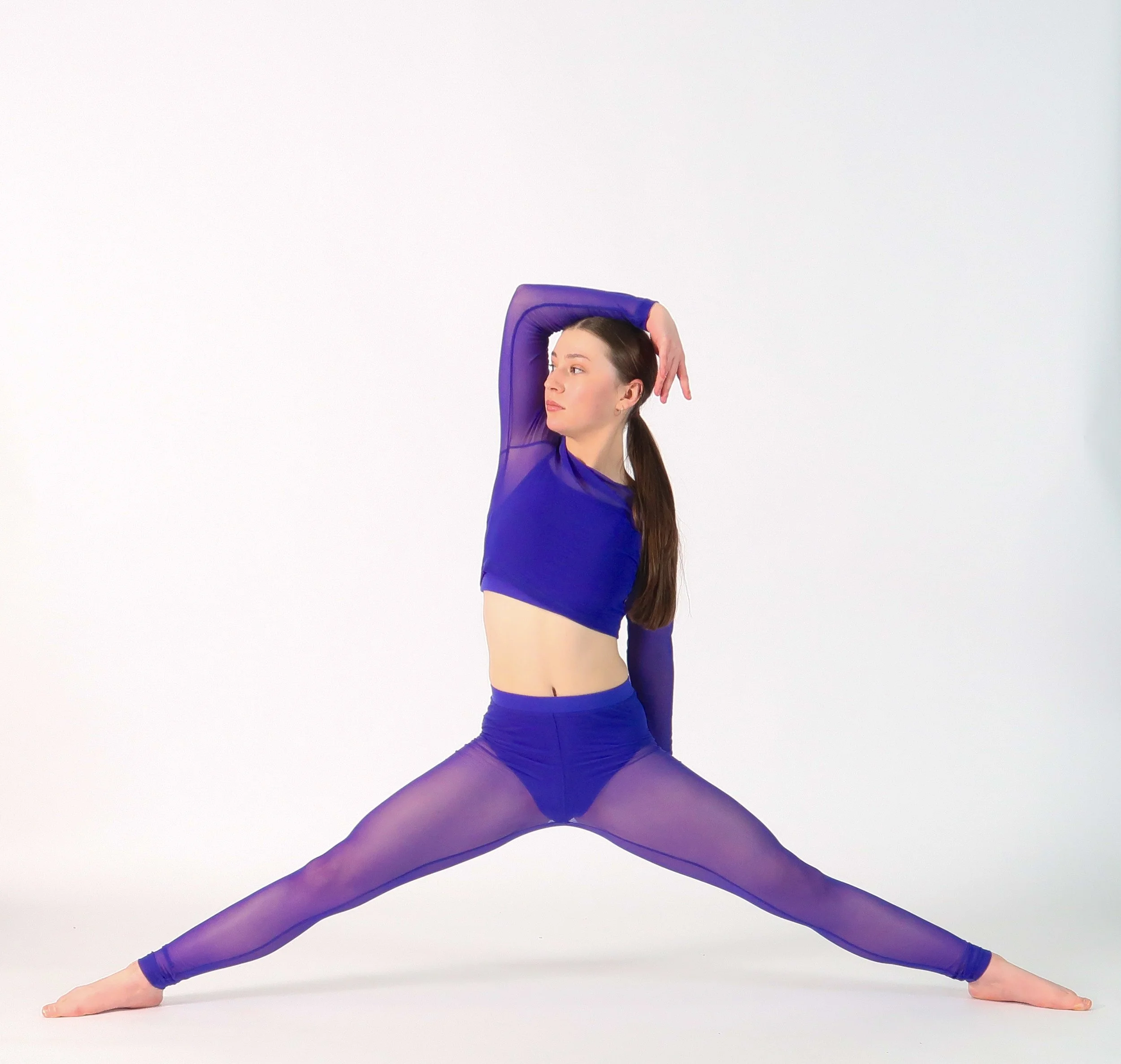
Intentionally incorporating rest into training has been shown to support intrinsic motivation and sustain enjoyment in sport. In contrast, poorly rested athletes often report a loss of purpose and connection to why they began in the first place (Eccles & Kazmier, 2019).
Rest is commonly understood as physical inactivity, but this overlooks a crucial factor: psychological activity. Athletes frequently continue engaging with their sport mentally, even during breaks — through constant reflection, comparison, conversations with teammates, and social environments centred around training (Eccles & Kazmier, 2019). When a sport is closely tied to identity, this mental engagement increases even further.
These ongoing thoughts are often linked to performance pressure, expectations from coaches, and fear of falling behind, which can elevate stress and anxiety. Over time, persistent psychological activity without intentional mental rest can lead to burnout — sometimes surprisingly early, even before the year has properly begun.
Dancers caught in this cycle often feel guilty for resting and respond by overworking themselves physically and mentally during break periods, sabotaging their recovery time.
Why Dancers Struggle to Rest
A huge part of learning to rest with intention is learning to give yourself permission to pause. Doing what’s best for you isn’t laziness if it’s informed and put into practice with intention. You now have the evidence to remind yourself that rest supports recovery, learning, and long-term growth. This cognitive and emotional shift alone can reduce burnout and help restore motivation.
Dance exists within a naturally competitive environment. We are constantly comparing ourselves, questioning our progress, analysing every detail, and wondering if we are enough. Over time, this can create a culture that discourages balance and makes rest feel undeserved — even during scheduled breaks or holidays.
Social media adds another layer. It’s a highlight reel of extreme flexibility, endless turns, and seemingly non-stop training. What we don’t often see are the rest days, the downtime, or the deliberate pauses that allow that level of performance to exist. When those moments are invisible, it’s easy for guilt to creep in: Why can’t I do that? If I stop, I’ll fall behind. If I rest, I’ll never be good enough.
Intentional rest requires actively challenging these beliefs. It means choosing to step away, even when guilt tells you not to. Giving yourself permission to slow down, to turn off your phone, and to stop consuming dance content.
Rest doesn’t mean you’re giving up. It means you’re protecting the dancer you’re becoming.
How to Rest with Intention
Intentional rest looks different for everyone. The key is choosing forms of rest that support your recovery without triggering guilt, comparison, or self-criticism.
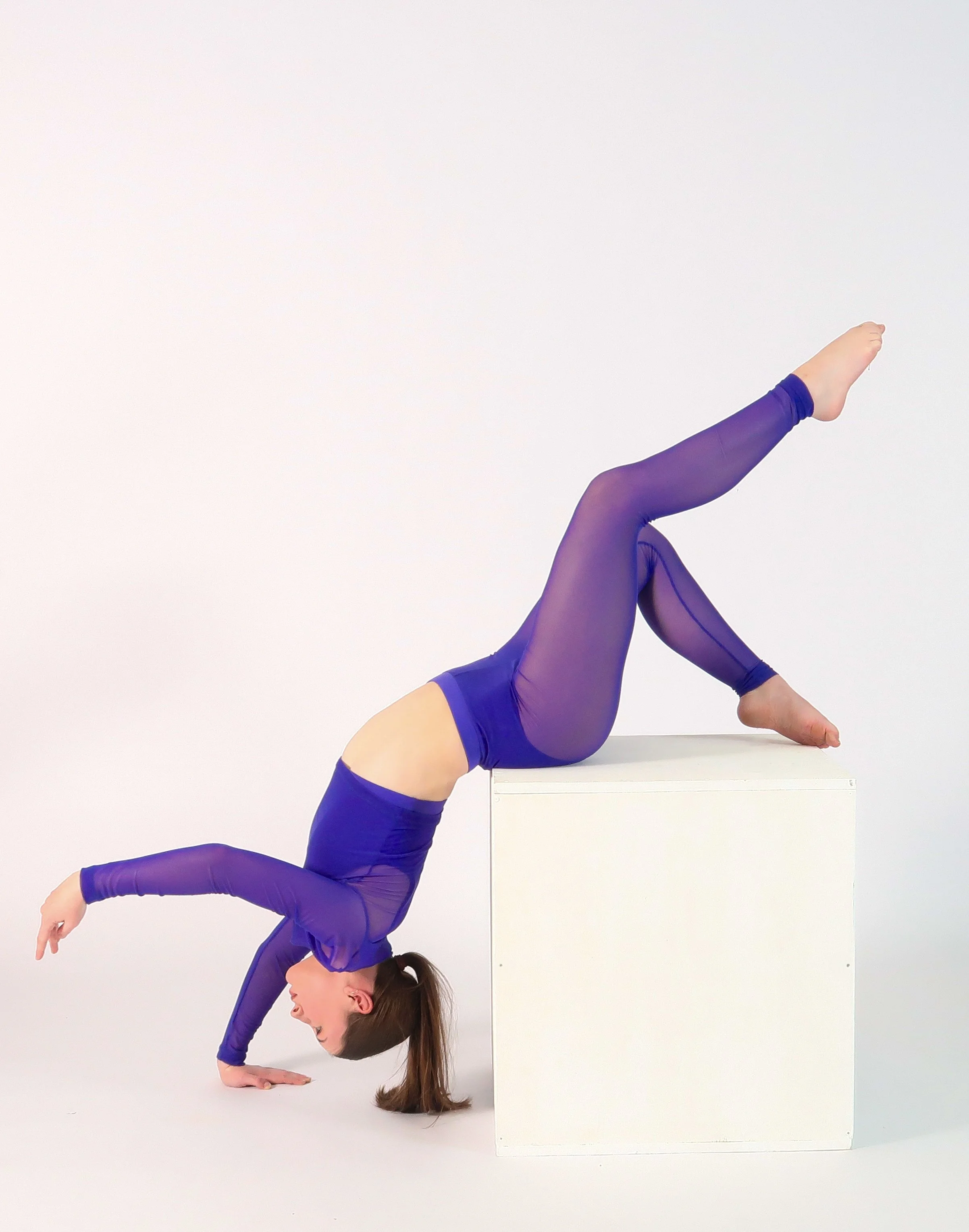
Physical rest doesn’t have to mean doing nothing — and it doesn’t mean losing fitness or progress. Gentle movement such as walking, stretching, swimming, cycling, or a slow yoga class can support recovery without overloading the body. Spending time moving in nature can be especially grounding and refreshing. It’s best to avoid classwork during rest periods unless you’re confident you can practice without judgement or self-criticism. Even then, keep it light, slow, and short.
Mental rest is just as important as physical rest. This often starts with limiting social media and screen time, particularly dance-related content. Mental rest can also include journaling, mindfulness, or quiet reflection. It’s helpful to reduce environmental cues that pull your mind back into training mode. For me, being able to see my dance studio from my kitchen window made it difficult to switch off — a small reminder of how easily thought loops can form.
As dance is a creative art form, many dancers benefit from creative rest. This means engaging in creativity without performance pressure or evaluation. Try painting, knitting, learning a new hobby, reading fiction, visiting an art gallery or museum, or watching a performance purely for enjoyment — leaving analysis and judgement at home.
Emotional rest supports overall wellbeing and nervous system regulation. It involves setting boundaries with yourself and others, and truly listening when your body asks for a pause. Emotional rest also means spending time with people who make you feel safe, supported, and light — people who don’t centre conversations around productivity, progress, or comparison.
Intentional rest begins with listening. Choose what your body and mind need at this moment, and then take action — without guilt — to support your recovery.
Final thoughts
Resting with intention is an act of self-respect — and a vital part of sustainable training. Rest isn’t time away from progress, it’s what allows progress to continue. When used well, rest supports learning, motivation, recovery, and long-term performance.
Instead of viewing rest as something you earn or something that sets you back, begin to treat it as part of your training. Take a moment to check in with yourself and ask:
What feels depleted right now?
What type of rest do I need most?
What might rest look like for me without guilt?
How can I support my return to training without overworking?
Learning to rest with intention takes practice, especially in a culture that often rewards overworking. But with time, it becomes a powerful tool for both your physical and mental wellbeing.
What’s your favourite way to rest and recover? Have you tried any of these approaches? Share your thoughts in the comments — and send this post to someone who might need a little extra support learning how to take a break.