Performative Wellbeing: Illusion or Practice?
What do you think of when you hear the word family?
Maybe you think of feeling supported, cared for, connected, or safe.
What about when you hear the word inclusive?
Or when a studio says they prioritise wellbeing?
These words carry emotional weight. They imply safety, trust, belonging, and care. They suggest that dancers will be supported not only technically, but psychologically and emotionally too.
In recent years, dance schools and institutions have increasingly adopted this language. Studios describe themselves as inclusive families. Organisations promote wellbeing initiatives. Teachers position themselves as advocates for mental health and sustainable training. On the surface, this sounds like progress.
But what happens when the language changes while the culture stays the same?
What happens when dancers are told a space is supportive, inclusive, and wellbeing-focused, yet do not actually feel psychologically safe within it?
I’ve seen many dance schools describe themselves as inclusive, particularly as awareness surrounding neurodiversity and mental health has increased. Typically, the word inclusive implies that a space is safe and accessible for students with ADHD, autism, anxiety, learning difficulties, or differing emotional and sensory needs. But welcoming students into a room is not the same as creating an environment that can actually support them once they arrive there.
True inclusion requires adaptation. It requires teachers to reflect on their communication styles, classroom structure, sensory environment, expectations, and feedback methods. Yet many studios appear to use the language of inclusion without meaningfully engaging with the responsibilities attached to it. The message often becomes:
“You are welcome here, but the environment itself will not change for you.”
Of course, there are schools and teachers doing this exceptionally well. This article is not directed at studios engaging in reflective, evidence-based, dancer-centred practice. It is directed at the increasing use of wellbeing language as branding, rather than as a commitment to cultural change.
Because a studio cannot claim to prioritise wellbeing while simultaneously normalising overtraining, encouraging dancers to perform through injury, demanding constant competition participation, discouraging autonomy, or fostering fear-based environments.
And this issue extends beyond individual studios.
Some dance organisations publicly advocate for dancer wellbeing while continuing to platform teachers, choreographers, or directors who have longstanding reputations for humiliation-based teaching, intimidation, body shaming, or psychologically harmful training practices. In these cases, wellbeing becomes less about accountability and systemic improvement, and more about image management.
Even the language of family within dance deserves reflection. While often used with good intentions, the term can unintentionally blur boundaries between care, loyalty, obedience, and identity. Families imply belonging, shared values, and emotional connection — but in highly hierarchical environments, that language can also make it more difficult for dancers to question harmful practices, leave unhealthy environments, or speak openly about negative experiences without feeling guilt or betrayal.
If dance truly wants to prioritise wellbeing, then the conversation cannot stop at branding, slogans, mission statements, or resource lists. Wellbeing is not what a studio says. It is what dancers consistently experience within the environment itself.
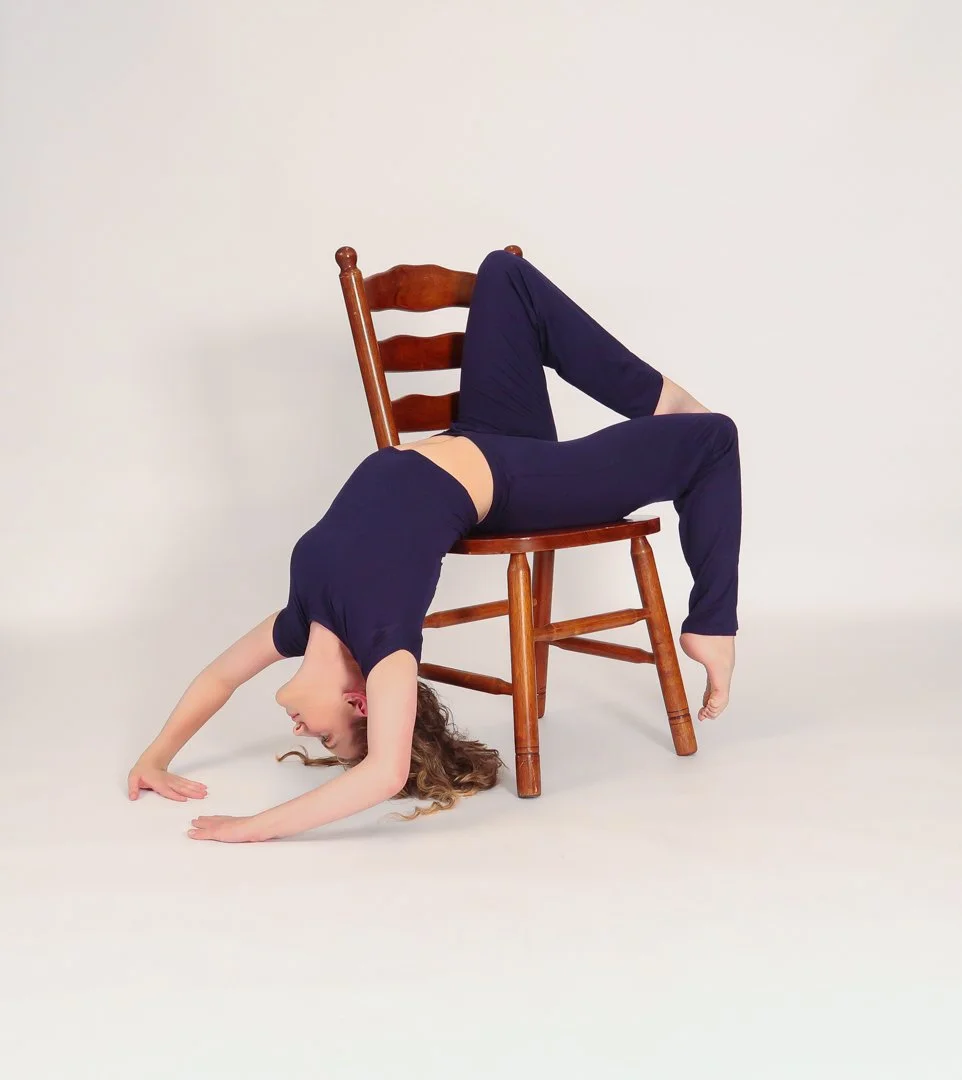
Paige, NDCloset 2026
What is Performative Wellbeing?
The use of words like inclusive, supportive, family-oriented, and wellbeing-focused without the practices, understanding, or systems to support them is what I refer to as performative wellbeing.
Performative wellbeing occurs when studios, institutions, or organisations adopt the language of mental health, inclusion, or safety in their branding and marketing, but fail to meaningfully embed those values into their teaching practices, staff education, policies, or studio culture.
In these environments, wellbeing becomes something that is advertised rather than consistently experienced.
For example, many pre-professional schools proudly promote that students have access to physiotherapists, but advice from those physiotherapists is often ignored, undermined, or treated as an inconvenience by teaching staff. This raises an important question: what is the purpose of promoting healthcare access if the professional recommendations are not respected within the training environment itself?
I experienced this personally throughout my own training. I struggled with recurring shin splints for years because my physiotherapist’s recommendations to reduce training load and properly recover were repeatedly dismissed. Instead of allowing my body to heal, I continued training through pain because stopping was viewed as weakness, laziness, or lack of commitment, above all I was treated as an inconvenience. The result was not resilience, it was prolonged injury.
The same issue appears in conversations surrounding psychological support.
Some institutions claim to prioritise dancer wellbeing because students have access to a counsellor. While access to support is undeniably important, there is often little consideration given to whether these professionals understand the specific demands of dance culture, performance psychology, perfectionism, identity enmeshment, or the unique pressures dancers experience.
This is not a criticism of counsellors themselves, but rather of institutions using mental health services symbolically rather than thoughtfully. Providing access to support is not the same as creating an environment that actively protects psychological wellbeing in the first place.
A studio cannot claim to prioritise wellbeing while simultaneously normalising overtraining, discouraging recovery, rewarding fear-based compliance, or creating environments where students regularly leave classes distressed, humiliated, or emotionally unsafe.
And yet, dancers are often encouraged to interpret these experiences as normal. If they struggle within the environment, it’s suggested that they are simply not resilient enough for the industry.
This creates a contradiction that many dancers internalise:
“If this environment says it cares about wellbeing, then maybe the problem is me.”
Another concerning pattern appears when dancers do seek professional psychological support. In some environments, students are suddenly treated differently once their mental health becomes visible. Teachers may become distant, overly cautious, stop providing meaningful corrections, or subtly exclude the student from opportunities. Instead of creating safety, mental health disclosure can unintentionally alter the student’s place within the social and training hierarchy.
Of course, not all of this stems from malicious intent. In many cases, it stems from a lack of education surrounding psychology, neurodiversity, injury management, and evidence-based teaching practices. But particularly within ballet, it can also stem from something more difficult to confront: a reluctance to critically examine tradition.
Because changing the language without changing the culture changes very little.
Wellbeing is not a slogan, a mission statement, or a resource page on a website.
It is a lived experience.
It is reflected in how dancers are spoken to, how injuries are managed, how mistakes are handled, whether questions are welcomed, whether individuality is encouraged, and whether students consistently feel psychologically safe within the room itself.
The environment I grew up in constantly described itself as a family. Yet students were screamed at, humiliated, compared against one another, and encouraged to tolerate harmful behaviour in the name of discipline and success. Eventually I began to question what the word family was actually being used to protect: the students, or the culture itself.
The “Dance Family” Narrative
I have always struggled to fully articulate why the term family can feel uncomfortable within dance studios and other educational or institutional settings. On the surface, it sounds warm and supportive. Families are often associated with love, belonging, care, loyalty, and connection. For many dancers, studios do become significant emotional spaces because of the sheer amount of time spent there.
As a full-time student, I spent more time at the studio than I did at home. I saw my teachers more than I saw my parents most weeks. So I understand why the word feels emotionally fitting for many people.
But I also think it is a powerful term that deserves careful reflection, particularly within environments built upon hierarchy and authority.
Families naturally involve power dynamics. Parents guide, discipline, and make decisions, while children are generally expected to trust that authority. Within healthy families, questioning and individuality are ideally still encouraged — but culturally, the concept of “family” is often tied to obedience, loyalty, and maintaining harmony within the group.
When this language is applied to dance studios, those same dynamics can unintentionally transfer into the training environment.
The director becomes the parental authority figure. Teachers become emotional caretakers as well as educators. Students are no longer just participants within an educational space; they become members of a “family” that they may feel emotionally responsible to protect, remain loyal to, or avoid disappointing.
This can create subtle but powerful psychological pressure.
Students may become afraid to question decisions, challenge harmful behaviour, or advocate for themselves because disagreement begins to feel like betrayal rather than healthy communication. Leaving a studio can feel less like changing schools and more like abandoning a family. Even normal developmental behaviours — such as exploring new opportunities, forming independent opinions, or seeking autonomy — can become emotionally complicated within these environments.
Over time, belonging may begin to feel conditional:
“If I fit in, comply, and stay loyal, then I belong.”
In dance particularly, the “family” narrative can also contribute to blurred professional boundaries between teachers, students, and parents.
Teachers may deeply care for their students and play important mentorship roles, but they are still educators and authority figures — not parents, peers, or friends. That distinction matters because healthy boundaries are a key part of creating psychologically safe environments.
For example, behaviours that would feel inappropriate within other educational settings are sometimes normalised within dance culture simply because of the closeness encouraged by the “family” narrative. Late-night messaging between teachers and students, emotionally dependent relationships, oversharing personal issues with children, or constant contact outside studio hours can gradually become framed as care, commitment, or dedication rather than crossing boundaries.
Again, this is not to suggest that teachers should be emotionally distant or uncaring. Supportive mentorship is one of the most valuable parts of dance education. But support without boundaries can become complicated very quickly, especially for young dancers still developing their identity, autonomy, and understanding of healthy authority relationships.
Community is important. Belonging is important. Support is important.
But perhaps the goal should not be to create families within dance spaces.
Perhaps the goal should be to create environments where dancers feel safe, respected, supported, and free to grow — without feeling emotionally indebted to the system itself.
Where is the Gap?
So where is the gap between the language studios use and the experiences many dancers actually have?
Part of the problem is that dance remains a largely underregulated industry. Unlike many other educational, sporting, or child-focused environments, there is often little oversight surrounding teaching practices, psychological safety, boundary management, or student wellbeing. Even organisations that claim to advocate for healthier training environments do not always appear to critically examine the behaviours, histories, or teaching methods of the individuals they platform and promote.
As a result, harmful practices can continue while still being wrapped in the language of wellbeing and support.
Studios may describe themselves as supportive environments while continuing to rely on intimidation-based teaching, favoritism, conditional belonging, or public humiliation as methods of control and motivation. Small issues between students or staff are often ignored until they escalate, while harmful behaviour can be unintentionally reinforced through silence, inaction, or selective rewarding of certain dancers.
Similarly, many schools now publicly emphasise dancer wellbeing, yet their teaching practices have not meaningfully evolved to reflect psychological or educational knowledge. Some environments still prioritise rigid aesthetics over health, discourage autonomy, rely heavily on fear-based motivation, or provide feedback in ways that damage confidence and self-worth rather than develop skill and resilience.
The language has changed faster than the culture.
Another major gap exists between access to support and integration of support.
Many schools now provide access to physiotherapists, counsellors, or mental health services, which is absolutely a positive step. However, in many cases these services remain external and reactive rather than fully integrated into the training environment itself. Professional recommendations may be ignored, students may feel subtly judged for seeking help, or support only becomes available once harm has already occurred.
Currently, wellbeing in dance is often treated as damage control rather than prevention. But true wellbeing is proactive, not reactive.
It should be embedded into teaching methods, communication styles, rehearsal structures, injury management, feedback systems, safeguarding policies, and studio culture itself. It should influence how teachers are trained, how authority is exercised, how students are spoken to, and how concerns are handled when they arise.
Because dancers should not have to reach crisis point before an environment begins to care about their wellbeing.
Why Does All of This Matter?
All of this matters because the environments dancers train in directly affect their nervous systems, and in turn, their ability to learn, perform, regulate emotions, and maintain long-term wellbeing.
As we discussed in previous blogs, the nervous system is constantly scanning the environment for cues of safety or danger. In supportive and psychologically safe environments, dancers are more likely to feel regulated, focused, adaptable, and open to learning. But in environments built on fear, unpredictability, humiliation, intimidation, or conditional belonging, the nervous system can shift into survival mode.
When dancers remain in this state for long periods of time, the body experiences chronic stress.
Chronic stress is not just an emotional experience — it is physiological. Stress hormones remain elevated, muscles stay tense, breathing patterns change, sleep and recovery can become disrupted, and the brain begins prioritising survival over higher-order thinking and creativity. Instead of focusing on artistry, musicality, or refining technique, the dancer’s mind becomes preoccupied with avoiding mistakes, avoiding criticism, or trying to maintain a sense of safety within the room.
Unsafe environments create dysregulation.
And dysregulation affects nearly every aspect of dance training:
concentration and focus
memory and information processing
coordination and motor learning
confidence and decision-making
creativity and artistry
adaptability under pressure
A dysregulated dancer may suddenly forget choreography they know well, struggle to apply corrections, feel physically stiff or disconnected from their body, or experience intense emotional reactions to small mistakes. Over time, this can lead dancers to believe they are “bad” or “not working hard enough,” when in reality their nervous system is overwhelmed.
You cannot consistently perform at your best when your body feels unsafe.
This is one of the biggest contradictions within dance culture: many environments claim to want high performance while simultaneously creating conditions that make peak performance psychologically and physiologically difficult to achieve.
Fear may create short bursts of compliance or temporary results, but it does not create healthy, adaptable, resilient dancers long-term.
Psychologically safe environments do not make dancers weak, soft, or less disciplined. In fact, research across psychology, sport, and education consistently shows the opposite: regulated nervous systems improve learning, creativity, resilience, performance consistency, and long-term development.
If we truly want dancers to thrive — not just survive — then wellbeing cannot remain separate from training. The environment itself must be considered as part of the training.
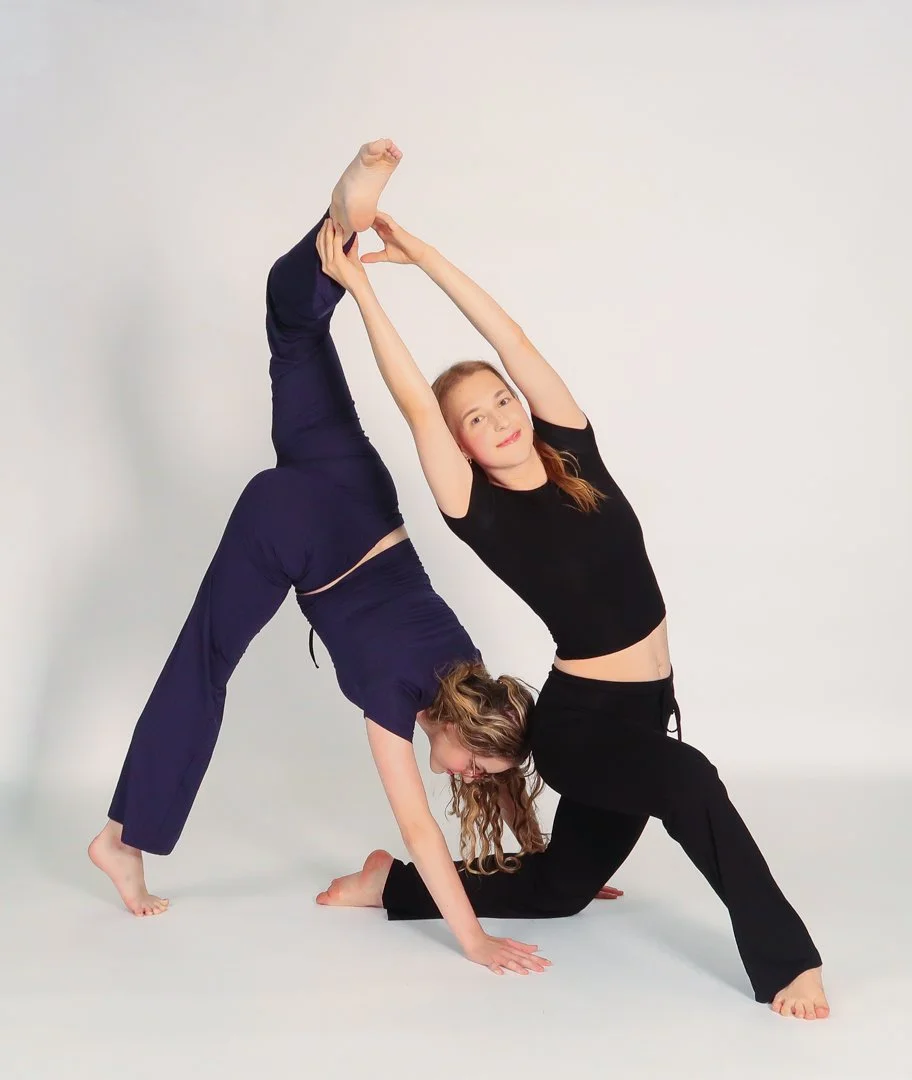
Paige & Zara, NDCloset 2026
What Real Integration Could Look Like
If the dance world truly wants to prioritise wellbeing, inclusion, and healthy development, then these values must move beyond branding and become embedded into everyday training practices.
Real wellbeing integration is not about removing discipline, challenge, accountability, or high standards. Dancers thrive when expectations are clear and training is purposeful. The difference is that psychologically informed environments challenge dancers without humiliating them, support growth without demanding perfection, and develop resilience without relying on fear.
Creating psychologically safe environments is one of the most important places to begin.
Psychological safety does not mean students never feel challenged, uncomfortable, or corrected. It means dancers feel safe enough to ask questions, make mistakes, experiment, and learn without fear of humiliation or rejection. Mistakes become tools for learning rather than evidence of failure or worthlessness.
Students are not supposed to know everything already — that is why they are students.
Part of creating safety also involves giving dancers appropriate levels of autonomy. Allow students to develop self-awareness, reflect on their training, contribute ideas, and build trust in their own bodies and decision-making skills. Dancers should be learning how to think critically and independently, not simply how to comply.
This also requires teachers to separate their own ego from the training environment.
Teaching should not be about creating perfect replicas of the teacher, protecting reputation, or controlling dancers through fear. As discussed in previous blogs, environments driven by ego often create anxiety, approval-seeking, and burnout rather than growth and confidence.
Feedback plays a major role in this process.
Constructive feedback should focus on skill acquisition, effort, process, and problem-solving rather than attacking the student’s identity or worth. Public humiliation, sarcasm, comparison, or comments aimed at the individual rather than the behaviour are not effective teaching tools — they are emotionally damaging and often reduce learning capacity.
Clear expectations are equally important.
Ambiguity creates anxiety. When students constantly have to guess what their teacher wants, where they stand socially, or how to avoid negative reactions, cognitive energy shifts away from learning and toward self-protection. Healthy environments clearly communicate expectations, boundaries, feedback processes, and behavioural standards for both students and staff.
Teacher awareness and ongoing education are also essential.
Psychology, pedagogy, neuroscience, and athlete wellbeing are continually evolving fields. Just because something was normalised in previous generations of dance training does not mean it was healthy, effective, or the best possible approach. Tradition alone is not evidence.
Teachers and directors should be willing to reflect on their own practices, remain open to feedback, and actively educate themselves on topics such as motivation, communication, neurodiversity, safeguarding, emotional regulation, and evidence-based teaching methods.
Importantly, support systems must become integrated rather than symbolic.
If schools work with physiotherapists, psychologists, counsellors, dietitians, or other professionals, their expertise should be respected and incorporated into training decisions where appropriate. Wellbeing professionals should not simply exist as names on a website or emergency contacts after harm has already occurred. Proactive systems are far more effective than reactive ones.
This could include:
regular workshops on mental skills, injury prevention, nutrition, or emotional regulation
teacher training surrounding communication and psychological safety
clear referral pathways for students seeking professional support
collaborative relationships between teachers and health professionals
accessible wellbeing resources for students and families
For wellbeing support to be successful, it must be embedded into the culture itself, not simply advertised.
Reflections & Conclusions
Dance does not need to lose discipline, structure, or excellence in order to become healthier. High standards and wellbeing are not opposites. In fact, psychologically safe and supportive environments are often what allow dancers to perform, learn, and grow at their highest level long-term.
But for that to happen, dance culture needs to move beyond performative language and toward meaningful change.
Wellbeing in dance is not defined by mission statements, social media captions, or the labels studios give themselves. It is defined by what dancers consistently experience every day in the studio: how they are spoken to, how mistakes are handled, how injuries are managed, whether boundaries are respected, whether individuality is encouraged, and whether students feel psychologically safe enough to learn without fear.
Because dancers notice the gap between what environments say they value and what they actually reinforce.
If we are going to use words like inclusive, supportive, safe, or family, then those words should carry real responsibility behind them. Students should not have to earn basic respect, emotional safety, or care through perfection, silence, compliance, or suffering.
And if we are going to call studios “families,” then dancers should feel safe enough to belong as themselves, without fear of humiliation, exclusion, retaliation, or conditional acceptance.
At the end of the day, wellbeing is not something added onto dance training after harm occurs. It is something built into the environment from the very beginning. Because the goal should not simply be producing successful dancers. It should be developing healthy, capable, resilient human beings who can thrive both inside and outside the studio.
Note: While this blog draws from psychological concepts, research discussed in previous blogs, and my own experiences within dance culture, much of this discussion is also reflective and opinion-based. You may not agree with every perspective shared here — and that’s okay.
My goal is not to attack individuals or dismiss the positive experiences many dancers have within their training environments. Rather, it is to encourage open conversation about the gaps that can exist between wellbeing language and lived experience within dance culture.
Dance has evolved in many ways, but there is still room for growth. I hope this blog encourages reflection, discussion, and continued movement toward healthier and safer environments for dancers.